Warmth and Glow Beyond the Grid

Today we dive into Off-Grid Heat and Light: Wood Stoves, Candles, and Low-Tech Power in the Mountains, celebrating practical methods that keep cabins livable when outlets are scarce and storms rage. Expect hard-won lessons, heartfelt stories, and detailed steps to warm your hands, brighten your nights, and protect your family safely and sustainably.

Understanding Mountain Cold and Reliable Warmth

Measure your space honestly, then size the stove for the coldest nights, not just shoulder seasons. Consider altitude, draft, and wood quality when comparing firebox volume and BTU claims. Clean-burning secondary combustion matters, as do clearances, a solid hearth, and a realistic plan for daily ash removal and maintenance.
Draft is a quiet partner that decides everything. Insulated chimney sections guard against creosote, while sufficient height clears roof turbulence and mountain winds. Provide make-up air in tight cabins, test smoke detectors monthly, and keep a reliable carbon monoxide alarm near sleeping areas. Good draft equals cleaner glass, safer burns, and deeper sleeps.
Candles soothe nerves and guide midnight steps, but they cannot replace a stove. Use heavy, tip-resistant holders, place them away from flammables, and never leave a flame unattended. Treat candles as calming companions, not emergency heaters. Keep water nearby, and position reflective surfaces to stretch every lumen without courting risk.

Fuel Wisdom: From Standing Tree to Steady Embers

Seasoning to Twenty Percent Moisture or Less

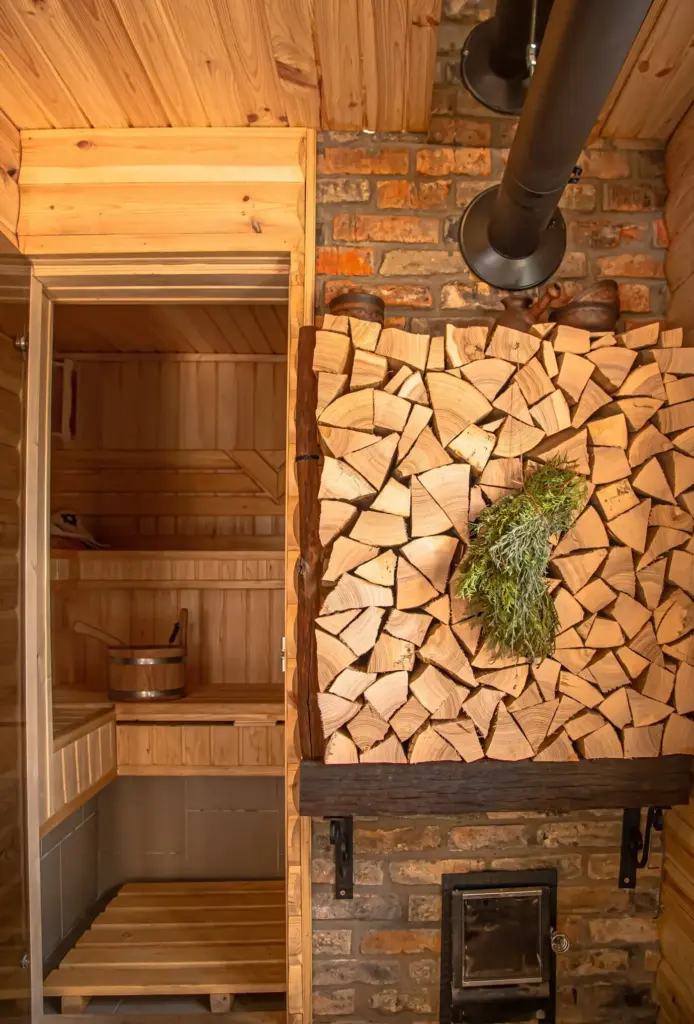
Green wood steals heat to boil off water, suffocating flames and glazing chimneys. Split logs promptly, then stack for airflow with top covers and open sides. Use a moisture meter on fresh splits, aiming for twenty percent or less. Properly seasoned fuel rewards you with easy starts, hotter fires, and safer chimneys.

Splitting, Stacking, and Storage That Works

Green wood steals heat to boil off water, suffocating flames and glazing chimneys. Split logs promptly, then stack for airflow with top covers and open sides. Use a moisture meter on fresh splits, aiming for twenty percent or less. Properly seasoned fuel rewards you with easy starts, hotter fires, and safer chimneys.

Backup Fuels and What to Avoid

Green wood steals heat to boil off water, suffocating flames and glazing chimneys. Split logs promptly, then stack for airflow with top covers and open sides. Use a moisture meter on fresh splits, aiming for twenty percent or less. Properly seasoned fuel rewards you with easy starts, hotter fires, and safer chimneys.

Light the Night: Candles, Lamps, and Smart Reflections

Soft light restores calm when the wind howls. Choose durable lamps, wide-based candle holders, and reliable matches or storm lighters. Reflectors multiply brightness without extra fuel, while shades tame glare. Arrange zones for reading, cooking, and safe walking paths. Your eyes, sleep, and spirits will thank deliberate, gentle illumination choices.

Power the Essentials with Simple, Durable Tech

Low-tech power keeps radios chirping, phones topped for weather alerts, and tiny fans moving heat where blankets cannot. Think small solar, micro-hydro, and human power first, then protect batteries from cold. Wire conservatively, fuse everything, and celebrate dependable watts that arrive whether grid lines fail or mountain passes close unexpectedly.

Solar That Survives Snow and Wind

Angle panels steeply for winter sun and natural snow shedding. Brush powder gently, avoid scratching glass, and harness albedo from bright drifts. Oversize wiring, short runs, and cold-friendly lithium batteries help. A simple tilt rack, tidy combiner box, and conservative loads give consistent morning radios and evening reading lights.

Micro-Hydro for Year-Round Trickle Charge

A small creek can feed a quiet turbine through long nights, enabling steady battery charging. Protect intakes with debris screens, bury lines to resist freezing, and calculate head and flow honestly. Even modest wattage supports communications, sensors, and lighting. Check local regulations, respect fish passages, and monitor icing during shoulder seasons.

Human Power and Thermoelectric Helpers

Convert an exercise bike to a generator for quick phone boosts and radio time. Hand cranks teach patience and deliver morale in storms. Stovetop thermoelectric fans push warm air without wires, while TEG modules can trickle-charge batteries. Keep expectations humble, celebrate resilience, and track gains in a simple logbook for motivation.

Designing Interiors for Heat Retention and Safety

The warmest cabins waste little and move heat gracefully. Add thermal mass, tame drafts, and plan drying zones away from flames. Doors, curtains, and rugs do surprising work. Small circulation fans even out temperature layers. Thoughtful design saves fuel, reduces stress, and turns long winters into peaceful, predictable, and beautifully bright evenings.

Field Notes and Community Wisdom

Real nights teach what manuals miss. A clear flue after sticky storms, a faithfully trimmed wick during gusts, and a spare lighter hidden by the door can change outcomes. Share your lessons, subscribe for updates, and leave questions below. Our mountain circle grows stronger with every story and careful, kind correction.
When sleet sealed the cap, draft faltered and glass blackened by evening. A quick roof check with tether and headlamp revealed icy buildup. Clearing the cap restored the blue flame and quiet breathing. That night, the carbon monoxide alarm stayed silent, and we slept grateful, wiser, and resolute about routine inspections.
With the road closed, dinner became a candlelit tradition. Beeswax pillars on flat stones, foil reflectors behind jars, and a single oil lamp by the board game brought laughter back. Comfort mattered more than lumens. Leave your favorite candle tricks below so newcomers can borrow simple, beautiful rituals on dark weeks.
Nozarizutifipafarezanu
Privacy Overview

This website uses cookies so that we can provide you with the best user experience possible. Cookie information is stored in your browser and performs functions such as recognising you when you return to our website and helping our team to understand which sections of the website you find most interesting and useful.