Alive in the Alps: Wool, Wood, and Horn for Daily Living

Today we explore ‘Wool, Wood, and Horn: Traditional Alpine Crafts for Everyday Use’ through stories of makers who rise before sunrise, listen to weathered timber, feel the lanolin in fresh fleece, and warm horn over simple stoves. Their hands shape durable beauty for kitchens, paths, and firesides, reminding us that usefulness can sing. Settle in, share your questions, and imagine what your own hands might create by evening.

From Mountain Source to Useful Object

Everyday objects begin high on windy ridges and in shaded forests. Sheep descend from summer meadows with fibers fattened by alpine herbs. Spruce, maple, and larch sleep through long frosts, tightening grain with patience only altitude grants. Horn, a respectful byproduct of dairying, waits for a second life. Craft here is a dialogue with place, where materials carry weather, pasture, and time directly into the tools you hold.

Techniques that Endure in Rough Weather
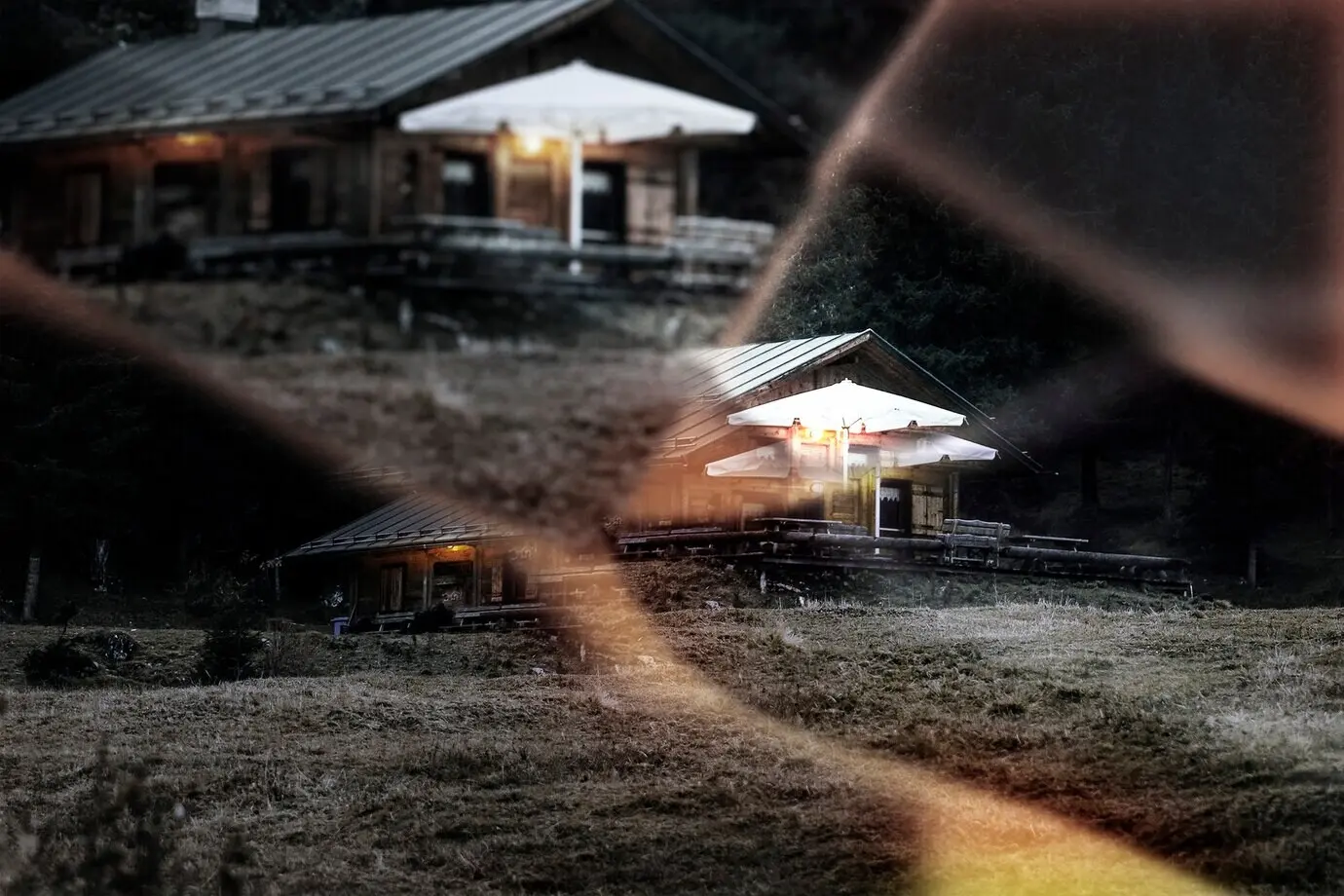
Storms test everything. Alpine techniques developed from necessity: felting to bind fibers against sleet, carving to remove weight while keeping strength, horn shaping to add smooth, water-resistant details where they matter most. The rhythm of hands, tools, and breath keeps time with the valley’s bells. Each motion is small, but repeated honestly until objects feel inevitable, as if they grew that way beside the trail.
Felters coax scales to interlock using hot water, soap, and persistent rolling. Slippers are built slightly oversized, then fulled down until dense and tailored to a foot. In one dairy hut, elders still full mittens against a washboard, singing to keep pace. They say the song smooths impatience so the fibers can settle. The result is windproof warmth that dries fast by the stove.
Spoons begin as split billets, not sawn, so fibers run unbroken through bowl to handle. Chips fly to reveal gentle bevels that slide along pots without scraping. On pole lathes, bowls grow from spinning blur to satin curve, burnished by shavings. A carver named Leni marks her ladles with a tiny star hidden under the lip, a promise that the piece will stir more than soup.
Once warmed, horn behaves like tough leather, willing to bend but demanding careful cooling. Makers sandwich sheets between weighted boards to set flatness, then cut shapes with small saws and knives. Edges round under sand and water until they invite fingertips. A comb from horn glides through hair without static, distributing natural oils. Grandfather swore his horn buttons outlived three jackets and every winter between.

Objects that Serve, Day In and Day Out

Utility here is not dull; it is devotion. Ladles nest into pot rims, stools tuck beneath benches, felted insoles turn clogs forgiving, and horn toggles secure cloaks one-handed in wind. Cheese paddles lift curds without tearing. Coffee scoops measure dawn by scent, not numbers. These are not showpieces; they become companions, absorbing nick and polish, learning the contours of a household’s weather and laughter.

The Design Language of the High Country

Motifs Rooted in Landscape

Edelweiss, ibex, and starry rosettes are not decoration for decoration’s sake. They map altitude and longing into surfaces touched daily. A spoon’s notch mirrors a ridge line; a comb’s curve bows like a cornice. When storm clouds push shadows through the valley, these motifs remind you beauty persists. Designs are borrowed carefully, credited to mentors, and adapted humbly so patterns serve use, not ego.


Form That Fits the Hand

Edelweiss, ibex, and starry rosettes are not decoration for decoration’s sake. They map altitude and longing into surfaces touched daily. A spoon’s notch mirrors a ridge line; a comb’s curve bows like a cornice. When storm clouds push shadows through the valley, these motifs remind you beauty persists. Designs are borrowed carefully, credited to mentors, and adapted humbly so patterns serve use, not ego.

Finishes That Breathe

Edelweiss, ibex, and starry rosettes are not decoration for decoration’s sake. They map altitude and longing into surfaces touched daily. A spoon’s notch mirrors a ridge line; a comb’s curve bows like a cornice. When storm clouds push shadows through the valley, these motifs remind you beauty persists. Designs are borrowed carefully, credited to mentors, and adapted humbly so patterns serve use, not ego.

Sustainability and Modern Adaptation

These crafts embody circular thinking born long before the word was fashionable. Offcuts start fires, shavings mulch paths, horn scraps become toggles, and wool too coarse for clothing insulates walls. Contemporary makers collaborate with chefs and hikers, updating forms for induction pots or ultralight packs while keeping soul intact. Repair is celebrated. Buying fewer, better objects feels not like sacrifice but relief.

Start Your Own Hands-On Journey

Begin where curiosity warms your fingertips. Carve a spoon from green wood, spin a simple yarn, or press a horn toggle with borrowed clamps. Keep safety glasses nearby, accept mistakes as teachers, and let small successes stack up. Document your progress, invite feedback, and trade tips with friends. Subscribe for upcoming guides, tool lists, and maker interviews, and tell us what you most want to try first.
Nozarizutifipafarezanu
Privacy Overview

This website uses cookies so that we can provide you with the best user experience possible. Cookie information is stored in your browser and performs functions such as recognising you when you return to our website and helping our team to understand which sections of the website you find most interesting and useful.